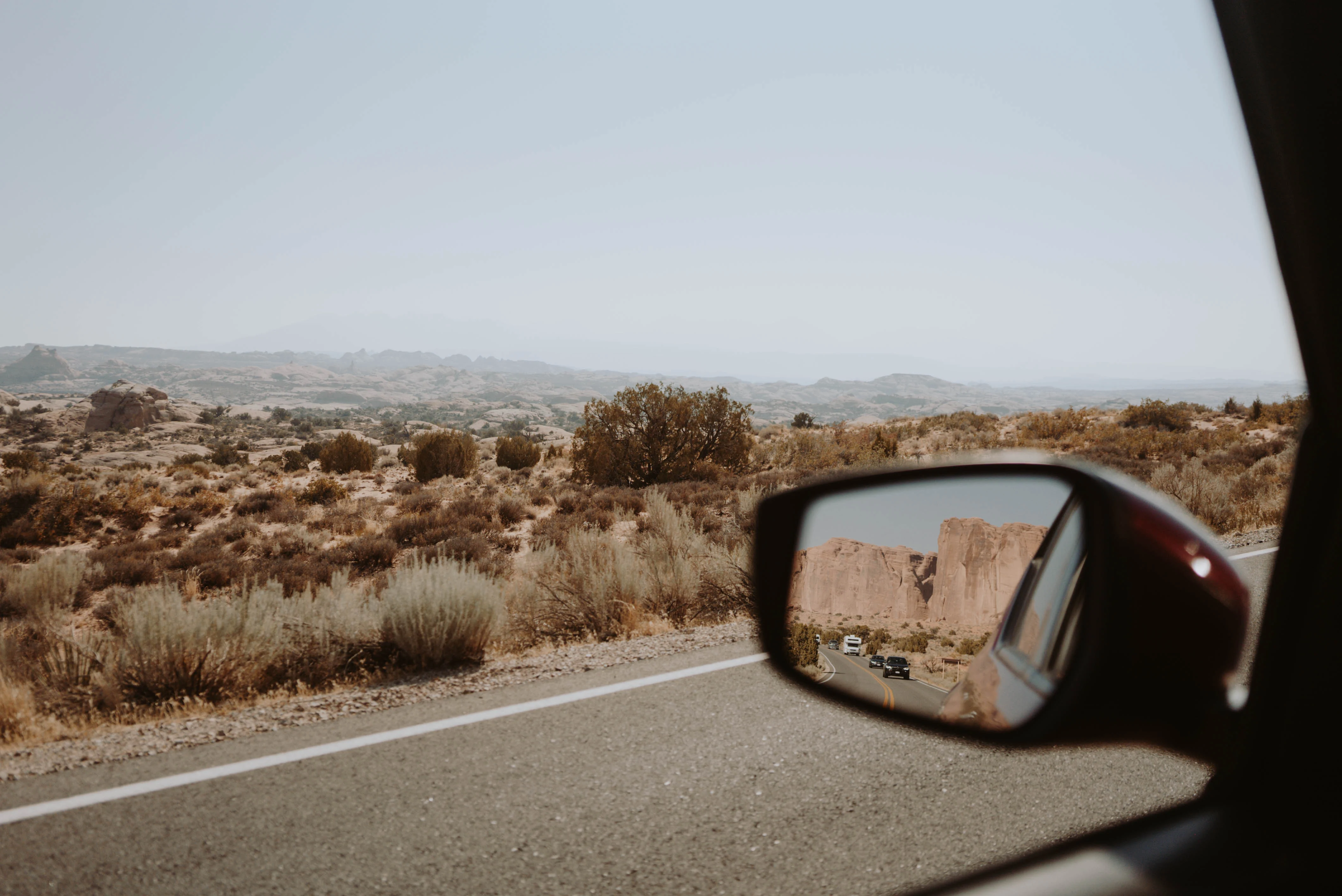
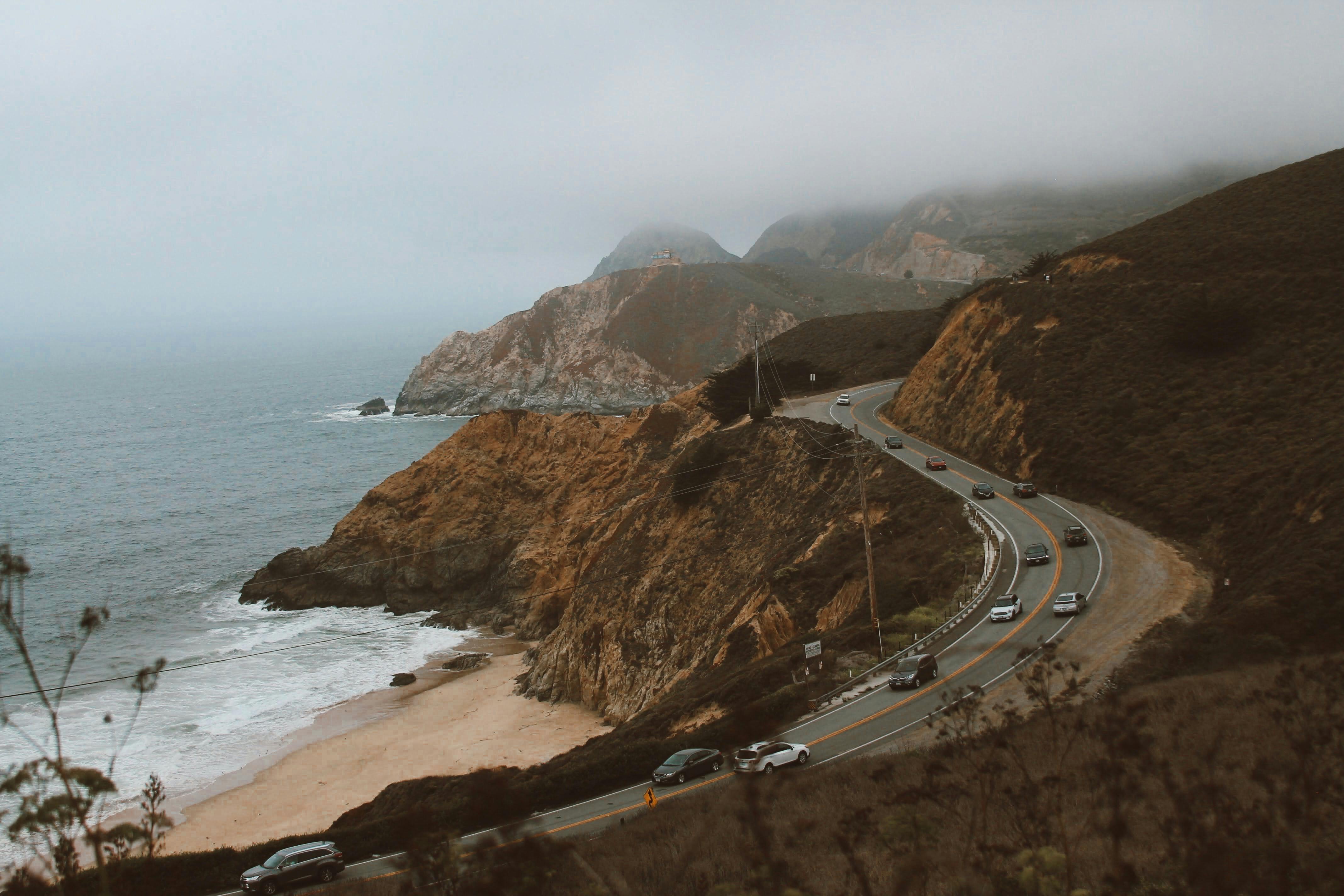
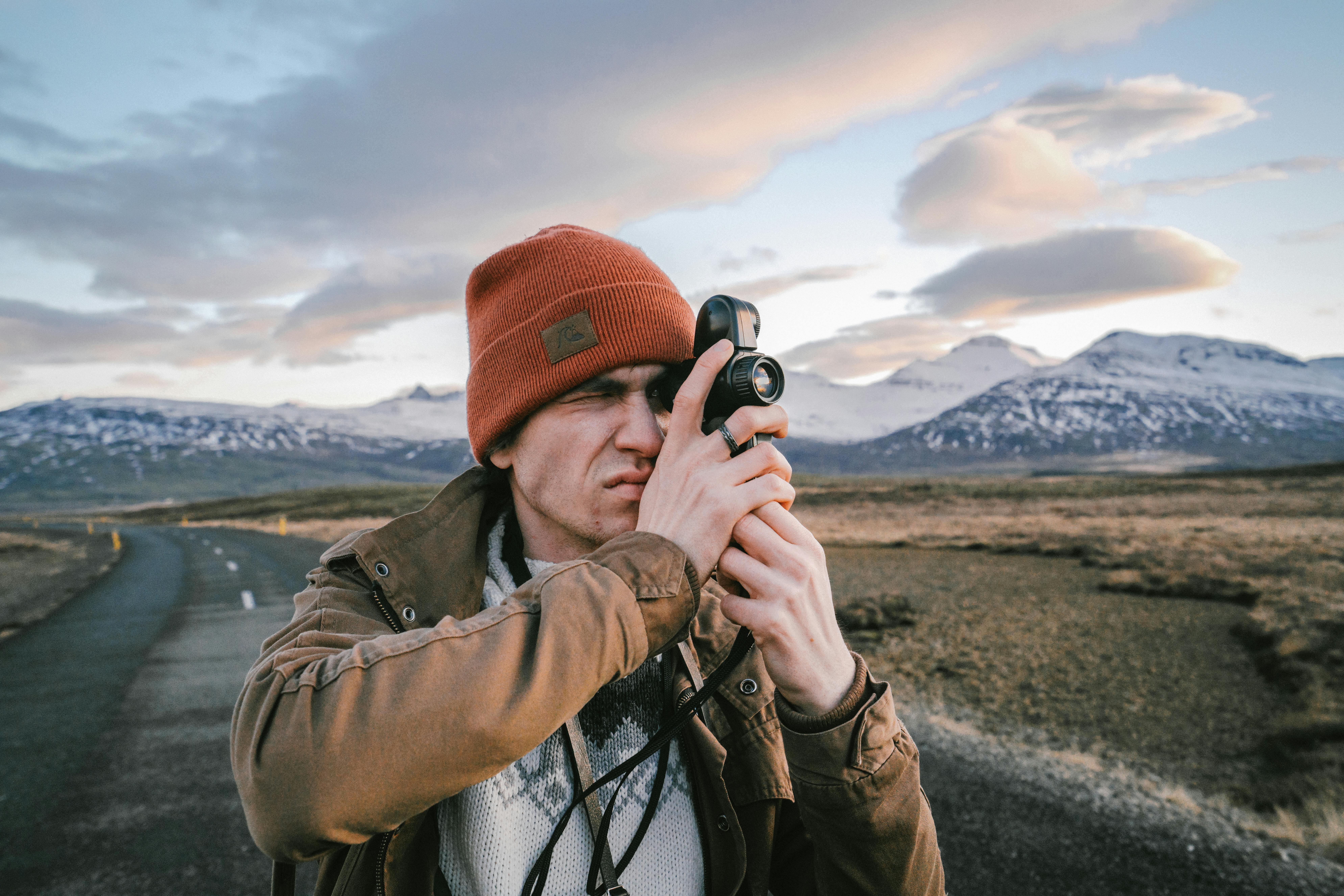
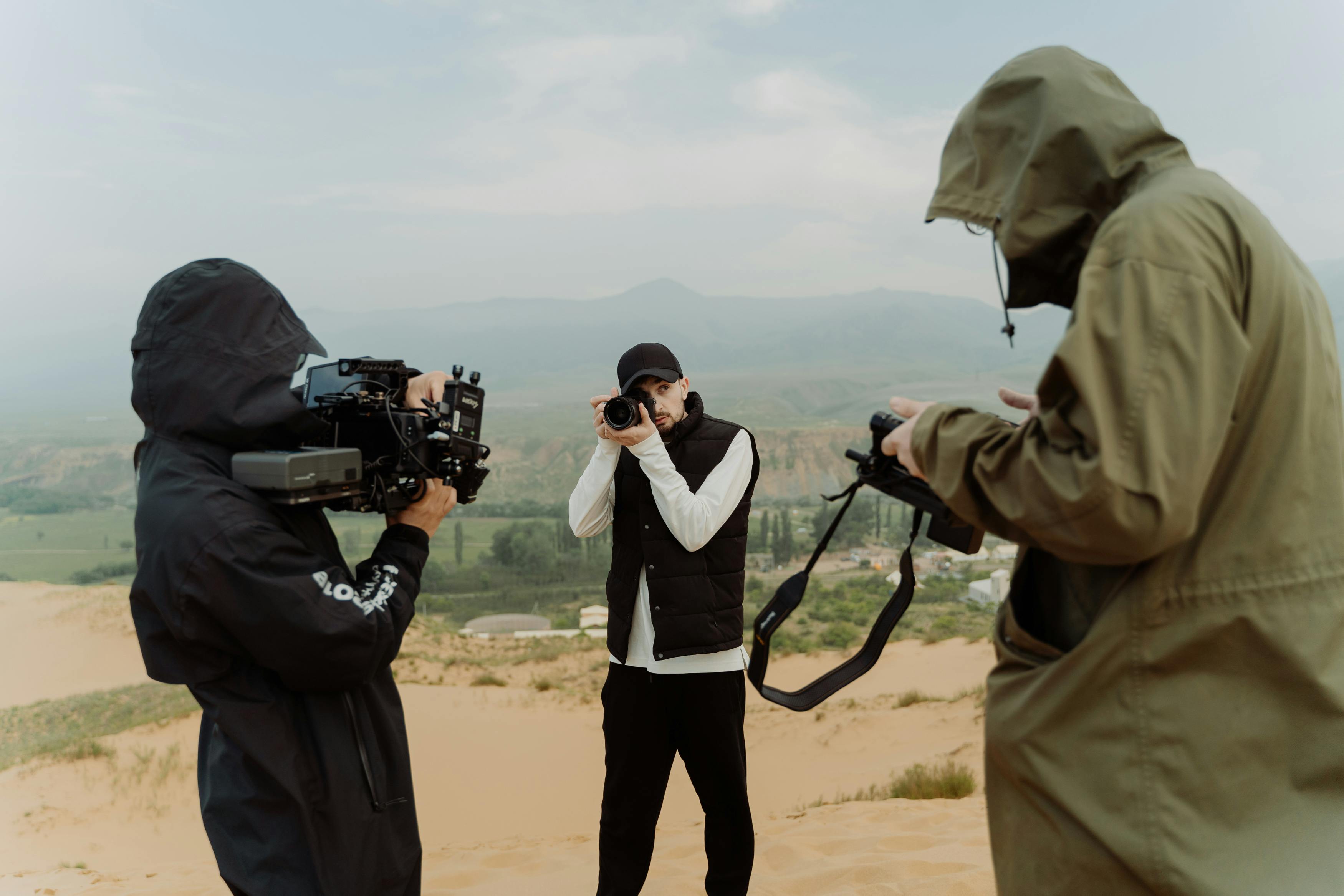
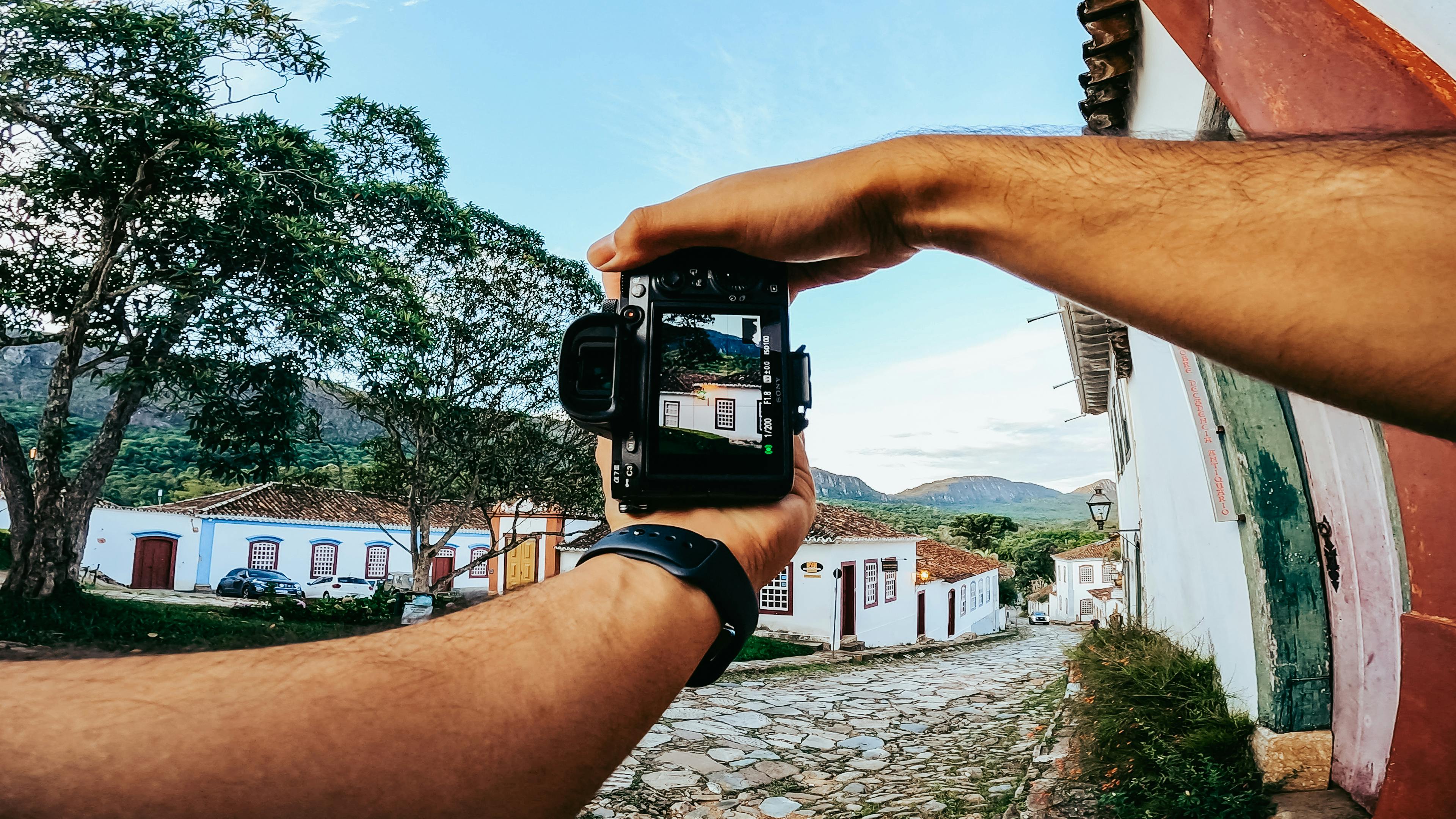
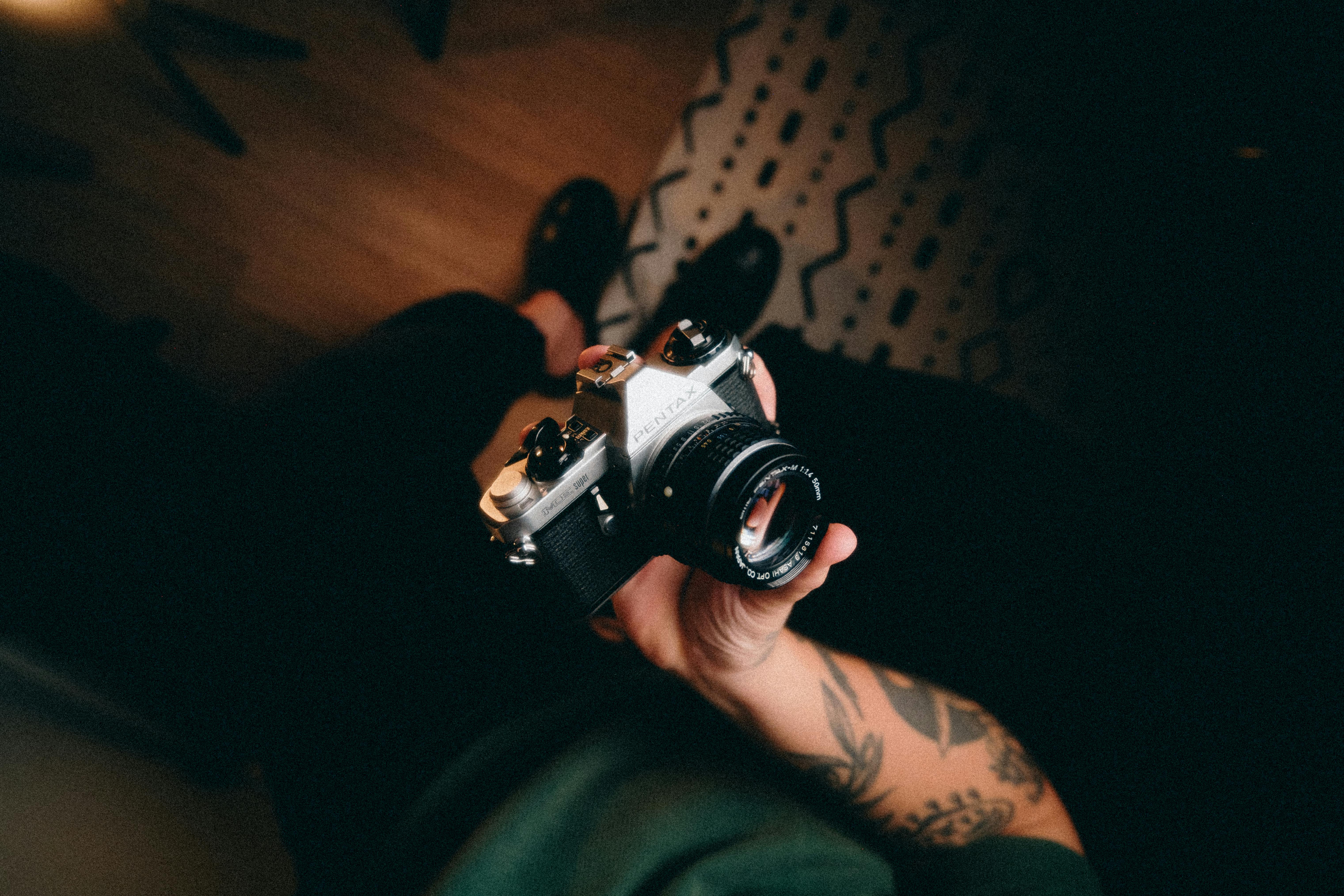
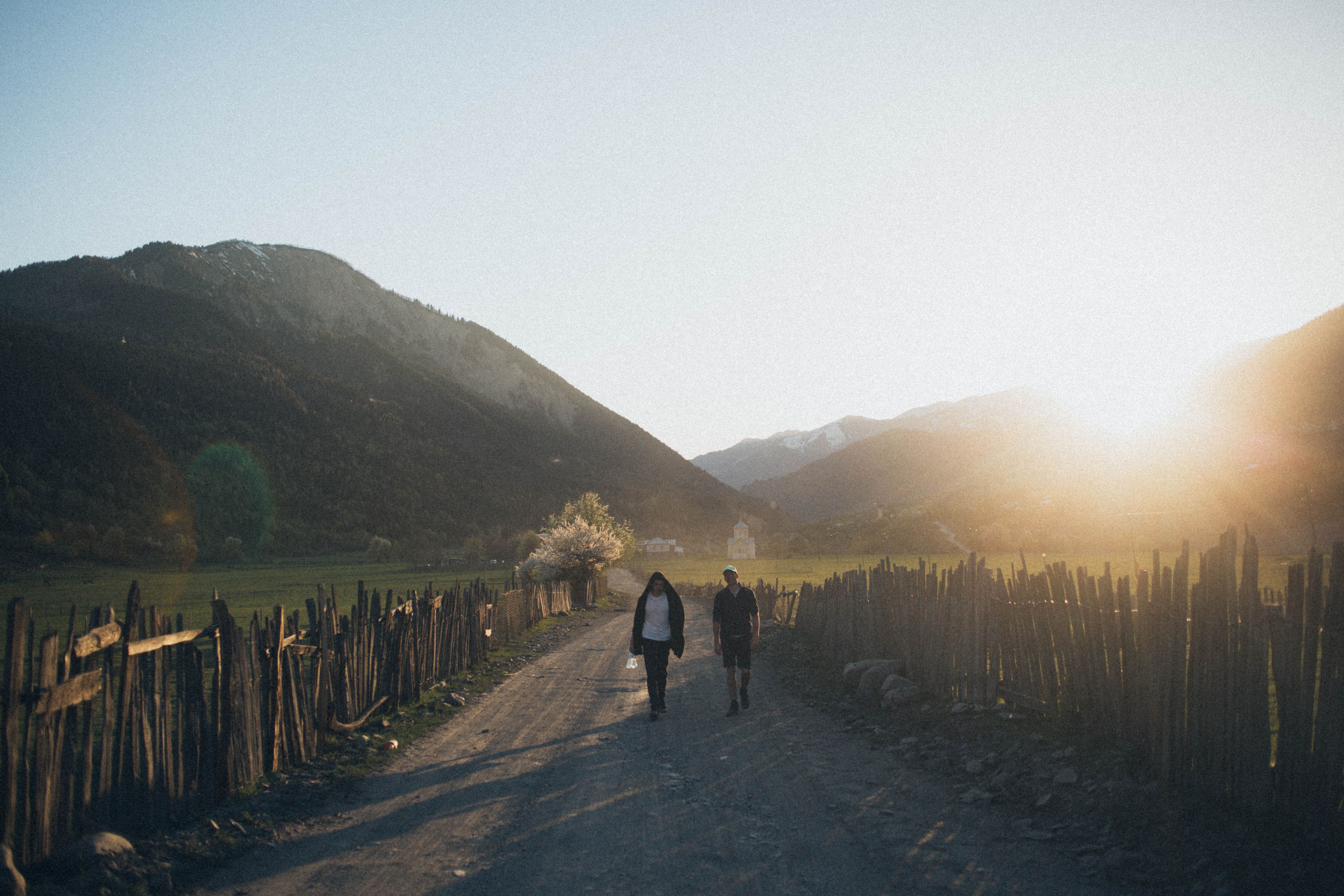
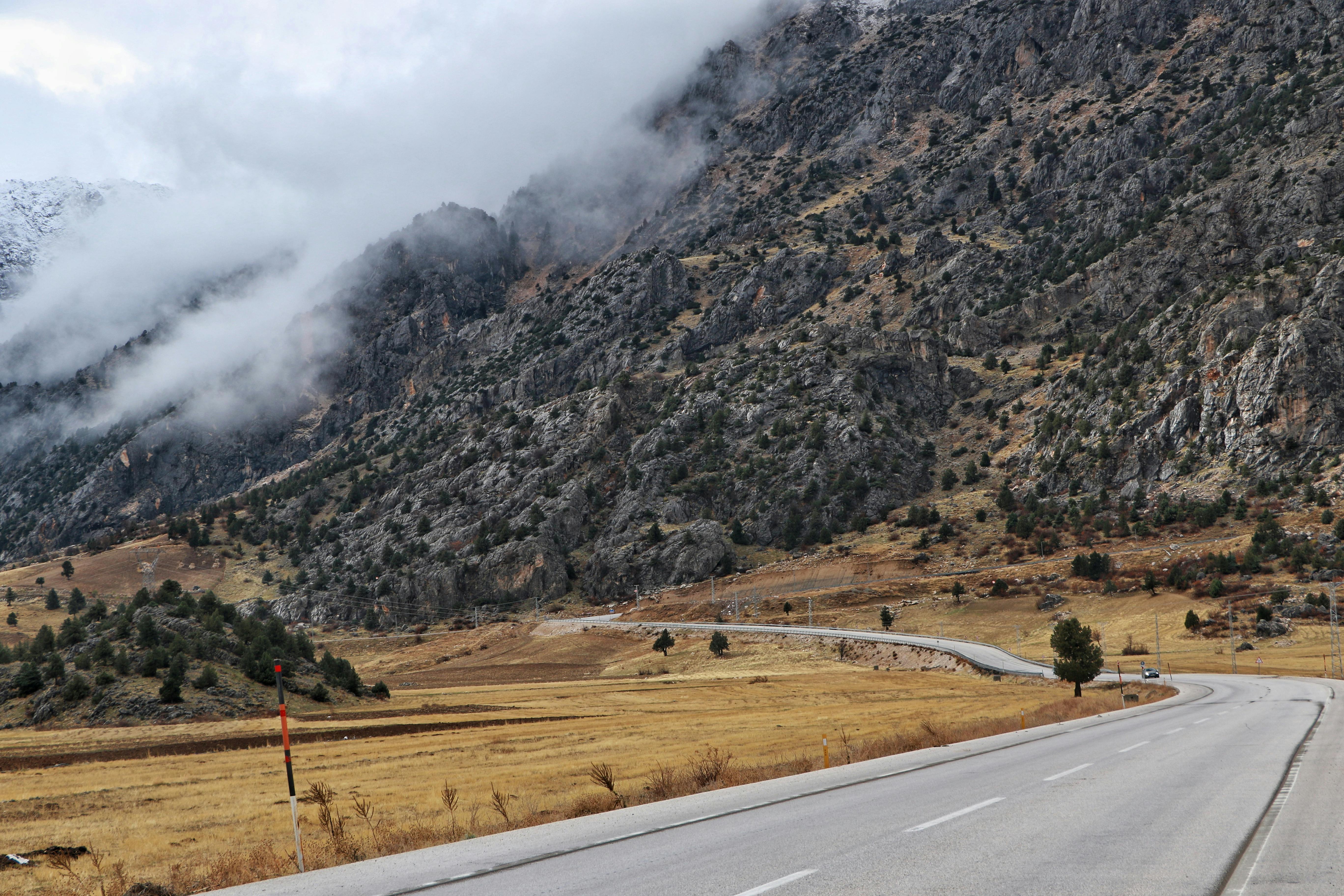
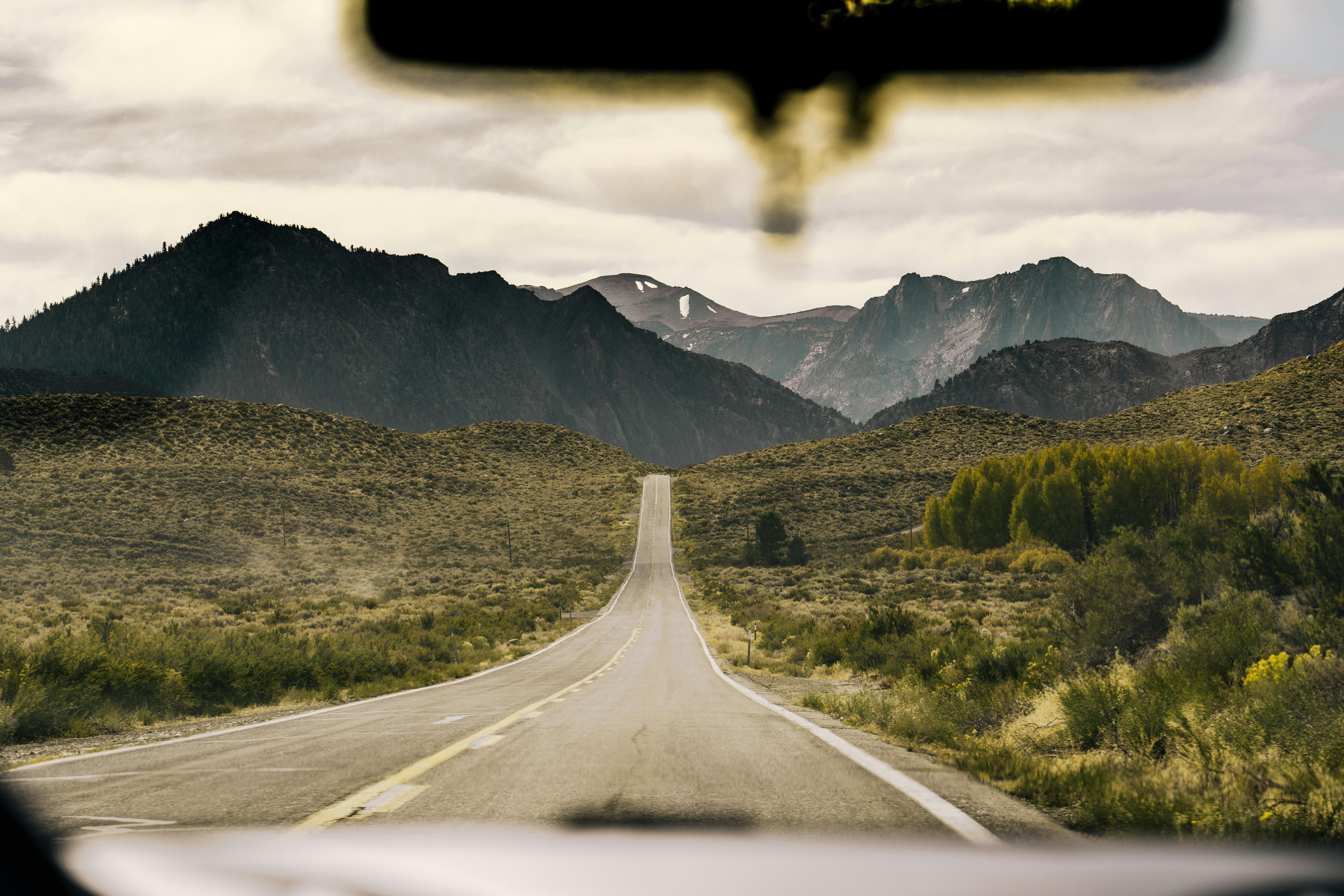
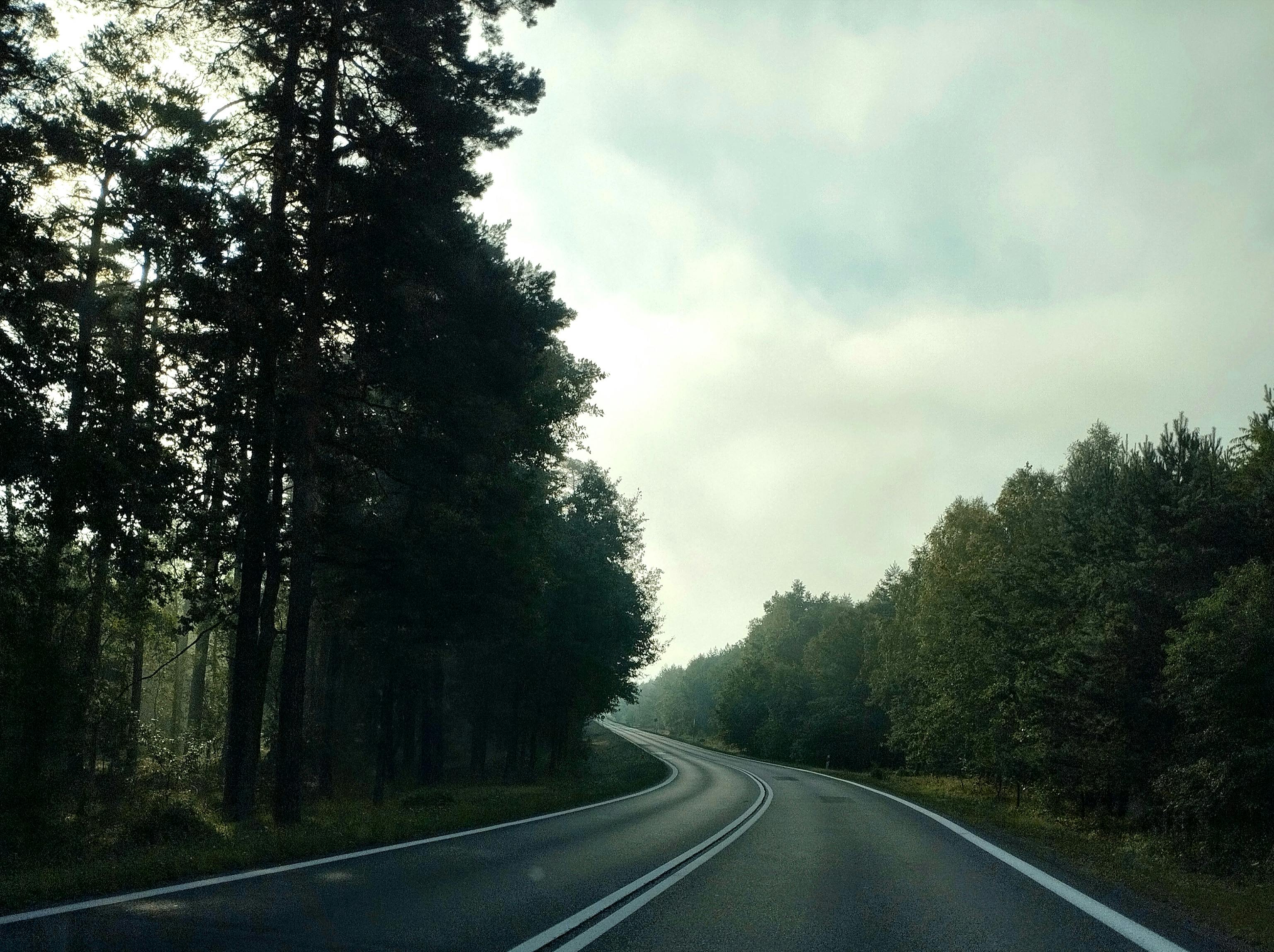
Cinematic Motion Shutter Study Frame 1 Natural Landscape Light Dispersion Frame 2 Rain Texture Long Exposure Study Frame 3 Hyperfocal Horizon Focus Frame 4 Twilight Low Light Sensor Benchmark Frame 5 Atmospheric Vapor Perspective Frame 6 Dynamic Range Contrast Frame 7 Micro-Contrast Dawn Geometry Frame 8 Minimalist Horizon Composition Frame 9 Specular Highlight Water Reflection Frame 10 Cinematic Motion Shutter Study Frame 1 Natural Landscape Light Dispersion Frame 2 Rain Texture Long Exposure Study Frame 3 Hyperfocal Horizon Focus Frame 4 Twilight Low Light Sensor Benchmark Frame 5 Atmospheric Vapor Perspective Frame 6 Dynamic Range Contrast Frame 7 Micro-Contrast Dawn Geometry Frame 8 Minimalist Horizon Composition Frame 9 Specular Highlight Water Reflection Frame 10
Cinematic Motion & Landscape Archive
Documenting optical physics, sensor dynamics, and computational landscape photography.

Welcome to Slow Moments Studio. We operate at the intersection of aesthetic cinematography, landscape exploration, and optical engineering. Our digital archives document how physical photons interact with modern CMOS sensors, providing filmmakers and landscape photographers with rigorous calculation utilities, field guides, and raw visual studies.

Creator's Optical Toolkit

Deterministic optical calculation utilities formulated for precision cinematographers and landscape astrophotographers.

Optics Engine
Depth of Field & Hyperfocal
Calculate near/far focus limits, hyperfocal boundaries, and circle of confusion tolerances across Full-Frame, Super35, and Medium Format sensors.
H = f² / (N × c) + f
Launch Calculator →
Exposure Lab
ND Filter Long Exposure
Determine exact compensated exposure intervals for ND8 through ND100000 filters. Mitigates reciprocity failure and infrared contamination.
T_comp = T_base × 2^ND_stops
Launch Calculator →
Motion Mechanics
Timelapse & Frame Rate
Synchronize intervalometers, calculate cinematic motion blur following the 180-degree shutter rule, and predict raw storage consumption.
Interval = Real_Sec / (Frames)
Launch Calculator →
Astrophotography
Star & Milky Way Exposure
Eliminate equatorial star trailing using the 500 Rule and the sensor-pitch-dependent NPF Rule for sharp pinpoint celestial capture.
t = (35 × N + 30 × p) / f
Launch Calculator →

Optical Physics & Sensor Laboratory Standards

Engineering methodologies governing our calculation algorithms, lens evaluations, and digital asset pipelines.

1. Diffraction Limits & Airy Disks

When light passes through a lens aperture, wave interference forms a diffraction pattern known as the Airy Disk. As apertures stop down beyond f/8 or f/11 on high-density sensors (sub-3.76μm pixel pitch), the central Airy disk diameter exceeds pixel boundaries: d = 2.44 × λ × N. Our optical calculators explicitly account for diffraction thresholds, warning filmmakers before optical softness destroys micro-contrast.

2. Sensor Noise & Quantum Efficiency

Low-light cinematography demands balancing read noise, thermal dark current, and photon shot noise. By evaluating dual-native ISO architectures under ISO 12232 specifications, our laboratory guides document the exact Signal-to-Noise Ratio (SNR) curves necessary to expose to the right (ETTR) without clipping highlight color science in 16-bit linear RAW profiles.

3. Reciprocity Failure & IR Bleed

Extreme neutral density filters (ND64 to ND1000) introduce two severe physical anomalies: spectral absorption shift toward infrared wavelengths (resulting in magenta pollution) and long-exposure sensor heating artifacts. Our algorithms provide calibrated compensation coefficients tailored to modern BSI CMOS architectures.

Featured Technical Insights & Labs

In-depth technical papers covering color grading, sensor calibrations, and high-bitrate media protocols.

Optimizing Cinematic Workflows in High-Resolution Environments
An extensive guide to managing, grading, and exporting 8K RAW footage without compromising workstation stability. Covers proxy topologies, NVMe write limits, and ACES color transforms.
Read Laboratory Paper →
Mastering the Zone System for Modern Digital CMOS Sensors
Translating Ansel Adams' classic exposure methodology to digital dual-gain sensors. Learn how to expose to the right (ETTR) while protecting crucial 14-bit highlight headroom.
Read Laboratory Paper →
The Physics of Neutral Density: Optical Density & IR Bleed
A deep dive into nano-coating physics, color cast correction, and infrared pollution when deploying 10-stop ND filters during multi-minute daylight exposures.
Read Laboratory Paper →
Deploying Efficient Routing Protocols for Ultra-HD Media Assets
Structuring distributed edge server nodes to deliver uncompressed photography and video streams with zero latency. Explores HTTP/3, QUIC protocols, and AV1 streaming codecs.
Read Conduit Paper →
Core Web Vitals Optimization for Visual Media Portfolios
Balancing high-resolution creative presentation with Google's Core Web Vitals. Practical implementations for lazy loading, critical CSS extraction, and layout shift mitigation.
Read Conduit Paper →
Securing Creative Archives: Cryptographic Backups & SSL
Enterprise data protection strategies for digital media archives. Covers automated immutable ZFS snapshots, off-site encrypted replications, and robust TLS 1.3 edge termination.
Read Conduit Paper →
Explore All Laboratory Papers & Conduits →

Laboratory Inquiry Desk

Contact Slow Moments Studio regarding optical consulting, cinema licensing, or technical collaboration.

About Slow Moments Studio

Founded in 2026, Slow Moments Studio operates as a private visual arts workshop and digital media laboratory. We investigate the relationship between light physics, natural geography, and real-time computational photography tools.

Our tools and technical publications are freely available to the global filmmaking community to assist in capturing cleaner, sharper, and more deliberate cinematic motion.

Physical Studio • Technical Research Unit • Open-Access Web Utilities